T6CR T6DR T6ER T6DCCR T6EDCR Hydraulic Pump Vane Type Overview
The T6CR, T6DR, T6ER, T6DCCR, and T6EDCR Series Hydraulic Vane Pumps are high-performance, fixed displacement vane pumps designed for medium to high-pressure industrial and mobile hydraulic systems.
As reliable alternatives interchangeable with Parker Denison T6 series pumps, these models feature identical mounting dimensions, shaft configurations, and port layouts, enabling seamless replacement without system redesign.
With advanced vane technology and robust internal construction, the T6 series pumps deliver stable flow output, low noise operation, and excellent durability, even under demanding working conditions.
Application Advantages
• High pressure capability up to 275 bar, in a small envelope, reduces the installation costs.
• High mechanical efficiency, typically 94%. Reduced heat generation.
1. What is the difference between T6CR, T6DR, and T6ER models?
The main differences are displacement and pressure capacity:
T6CR: Medium displacement, standard applications
T6DR: Higher pressure and flow capacity
T6ER: Large displacement, heavy-duty applications
2. What are T6DCCR and T6EDCR double pumps used for?
These are double vane pump configurations, designed to supply two independent hydraulic circuits from a single drive source, improving system efficiency and compactness.
3. Are these pumps interchangeable with Parker Denison T6 series?
Yes, they are designed to be fully interchangeable, including mounting dimensions, shaft types, and port connections, allowing direct replacement without modification.
4. What is the typical operating pressure range?
These pumps typically operate at:
Continuous pressure: 210–280 bar
Peak pressure: Up to approx. 300 bar (Exact values depend on specific model and working conditions.)
5. What type of hydraulic oil is recommended?
Recommended fluids include:
Anti-wear hydraulic oil (ISO VG32, VG46, VG68)
Certain fire-resistant fluids (depending on seal compatibility)
Maintaining proper oil viscosity is critical for performance.
6. What are common causes of pump failure?
Typical causes include:
Oil contamination
Cavitation due to poor suction conditions
Excessive pressure or overload
Incorrect installation or misalignment
Operating outside recommended viscosity range
7. How to prevent cavitation in T6 series vane pumps?
To avoid cavitation:
Ensure adequate inlet pressure
Use short and properly sized suction lines
Avoid air leaks in suction piping
Maintain proper oil level and temperature
Limit excessive pump speed
8. How can the service life of the pump be extended?
Best practices include:
Maintain oil cleanliness (≤25 μm filtration)
Operate within rated pressure and speed limits
Ensure correct alignment during installation
Regularly inspect seals and internal components
Keep operating temperature within recommended range
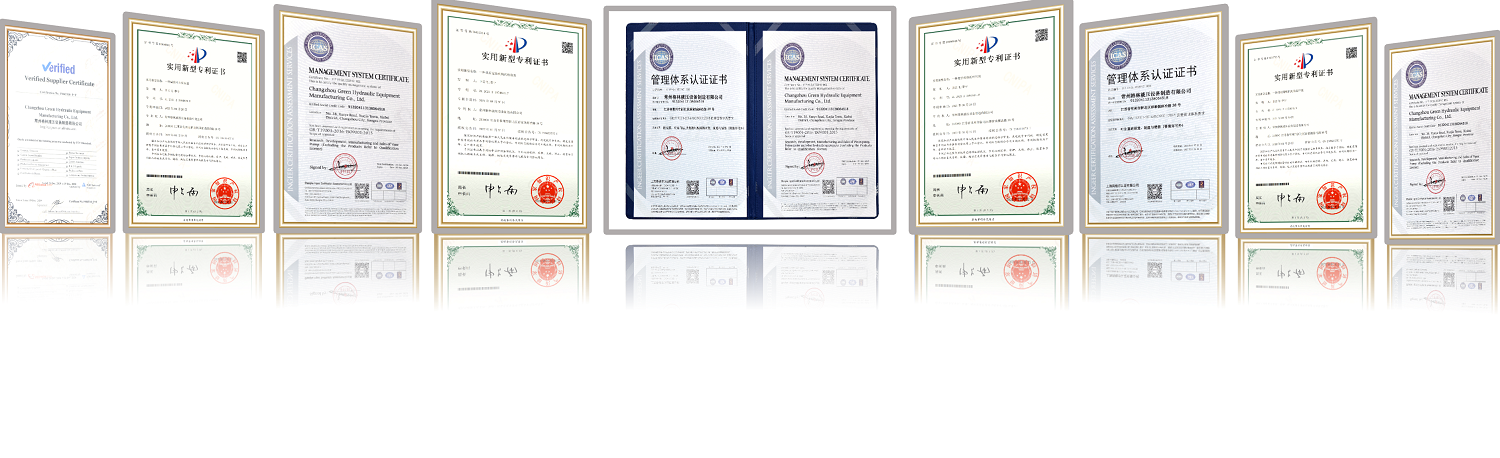
Certifications & Quality Assurance
Charge pumps are manufactured in compliance with international standards, ensuring high performance and reliability:
ISO 9001: Certified for quality management systems.
CE Certification: Ensures compliance with European safety, health, and environmental protection standards.
RoHS Compliance: Ensures the pump does not contain hazardous materials.
Factory Testing: Every pump is rigorously tested for performance, pressure, and leak integrity before shipping.
FAQ
1.How does the variable displacement work?
The pump's flow is adjusted by changing the angle of an internal swash plate. As the swash plate angle changes, the stroke length of the pistons varies, which in turn changes the volume of fluid displaced per rotation, allowing the flow rate to adapt to the system's needs.
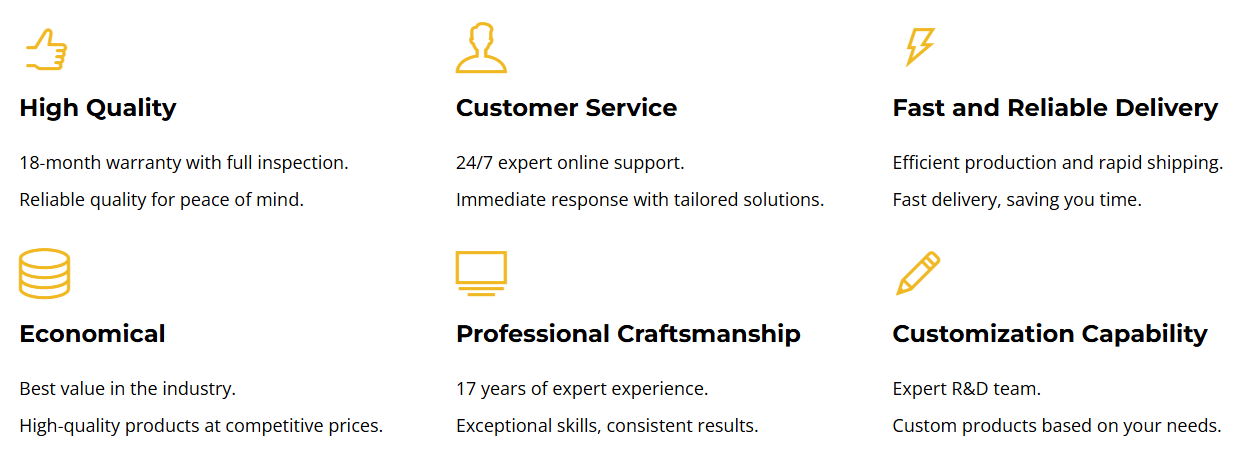
2.What's our advantages?
Factory established in 2005;
With a great deal of production experience;
80+ employees become the professional team;
Constant updated ERP system ensure efficiency of work;
Sophisticated equipment ehanced the accuracy of products;
Professional salesmen provide the greast service;
With a large number of famous customers all over the world;
Great after-sales service;
With the long term cooperation with famous logistics and express company in China,provide the better goods service.
3.What is your payment terms?
Small order/sample order,full payment in advance; Big orders send the first payment 30% before the production,and the balance before shippment.We'll show the photos of the products and packages before delivery.
4.Can you make my own brand on the products?
Of course we can. Just send me your logo we can make it for you.
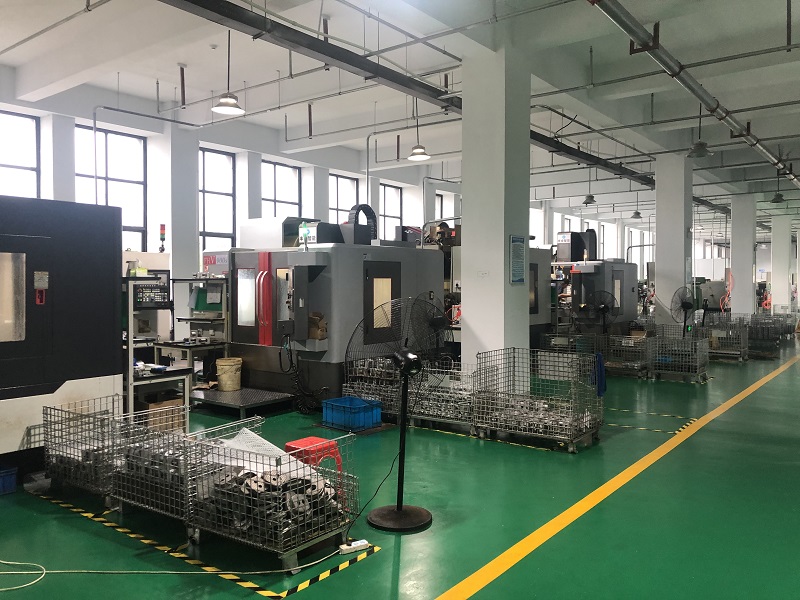
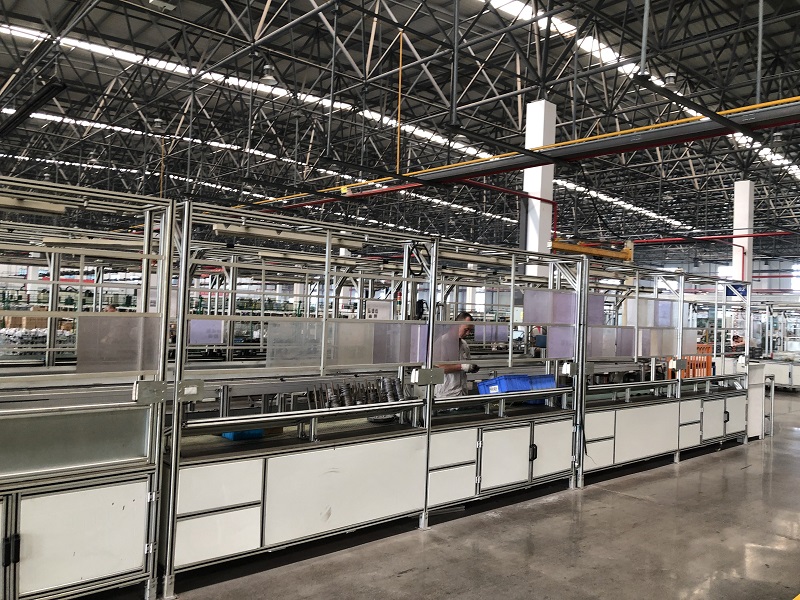
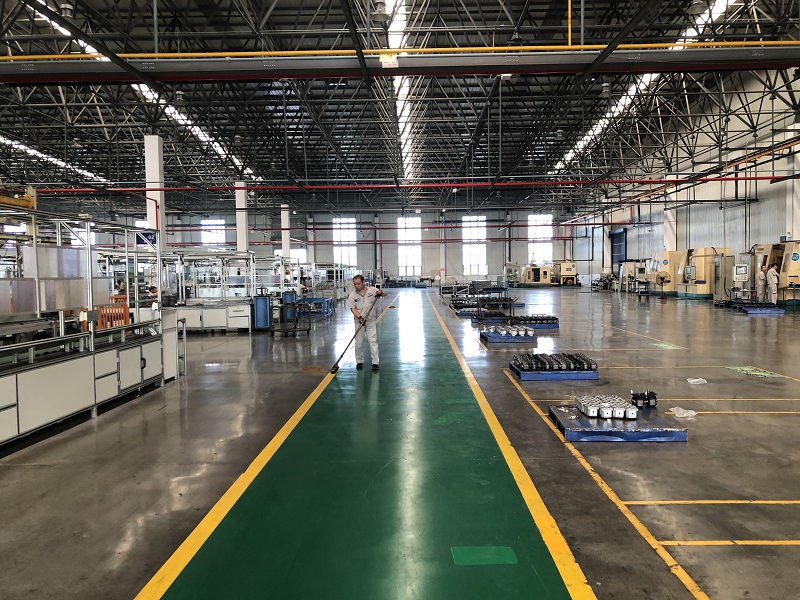
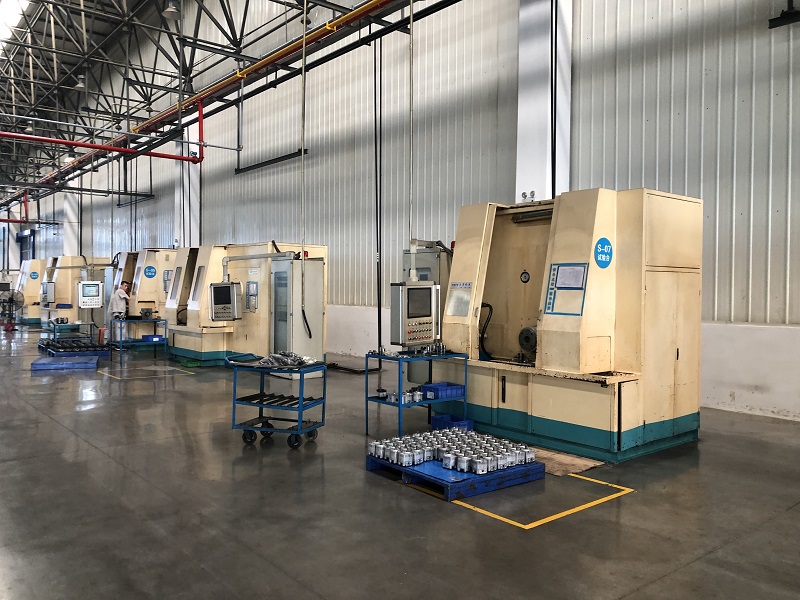
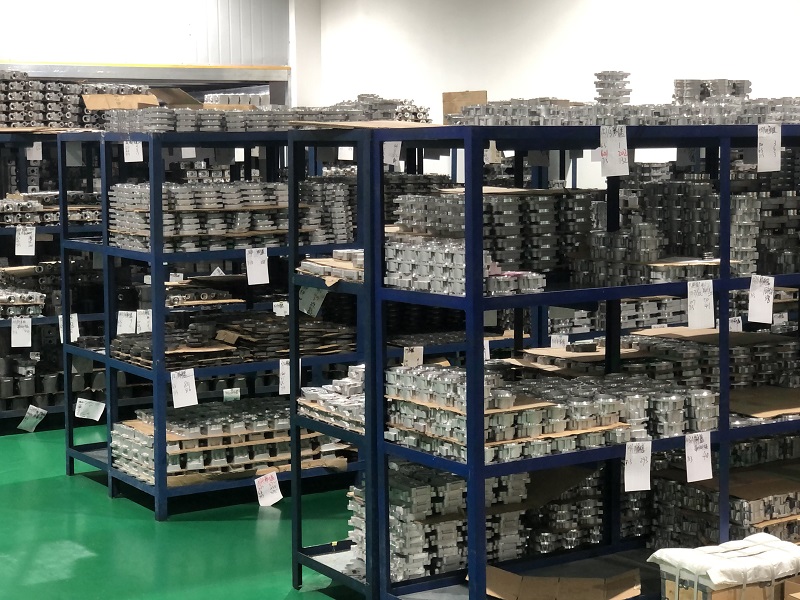
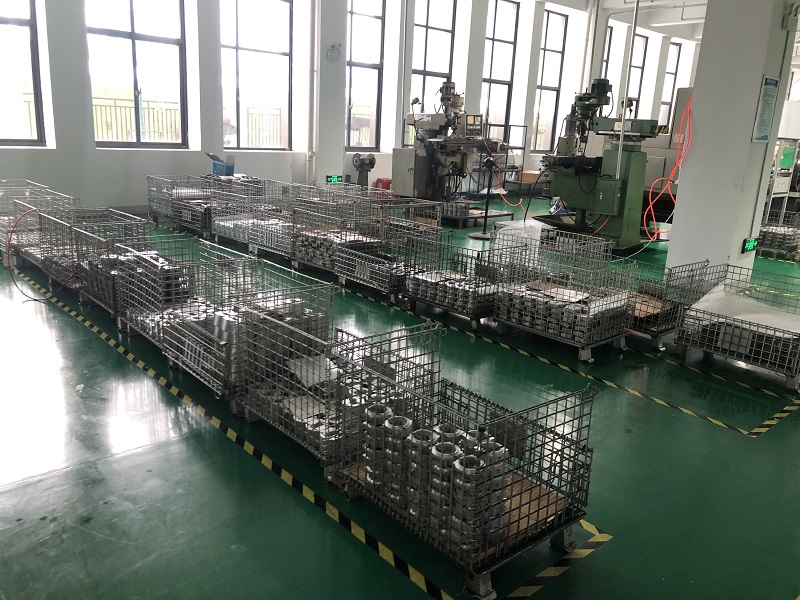
The Green hydraulic pump manufacturing facility is a specialized industrial plant that focuses on producing hydraulic pumps and related components. These factories are equipped with advanced machinery and technology to fabricate high-quality pumps designed for a wide range of applications, from heavy equipment and machinery to automotive and industrial systems.
The production process typically involves precision engineering, where raw materials like metals and alloys are processed into pump components such as gears, pistons, cylinders, and seals. These parts are then assembled into fully functional hydraulic pumps, which are tested for performance and quality control to ensure reliability, efficiency, and durability under various working conditions.
Green Hydraulic's manufacturing facilities for hydraulic pumps maintain stringent quality standards, often adhering to international certifications, to meet the expectations of customers in industries such as construction, agriculture, automotive, and manufacturing.
All hydraulic pumps produced by Green Hydraulic have undergone compliance testing, ensuring their quality and reliability.
To meet the diverse needs of different industries, the green hydraulic offer customization options, such as specialized seals, materials, and pump configurations. These facilities often work closely with engineering teams to develop tailored solutions for specific applications, from high-pressure systems to low-flow, high-efficiency pumps.
Each pump undergoes a rigorous quality control process, where pressure tests and performance assessments are conducted to ensure that the pumps meet the required standards for flow rate, pressure capacity, and durability.