Hydraulic piston pumps are the heart of high‑performance hydraulic systems. Whether you’re designing mobile machinery, construction equipment, or industrial automation, understanding how piston pumps work is key to choosing the right pump for your system. In this blog, we break down the working principle, types, benefits, and applications of hydraulic piston pumps in a clear and practical way.
What Is a Hydraulic Piston Pump?
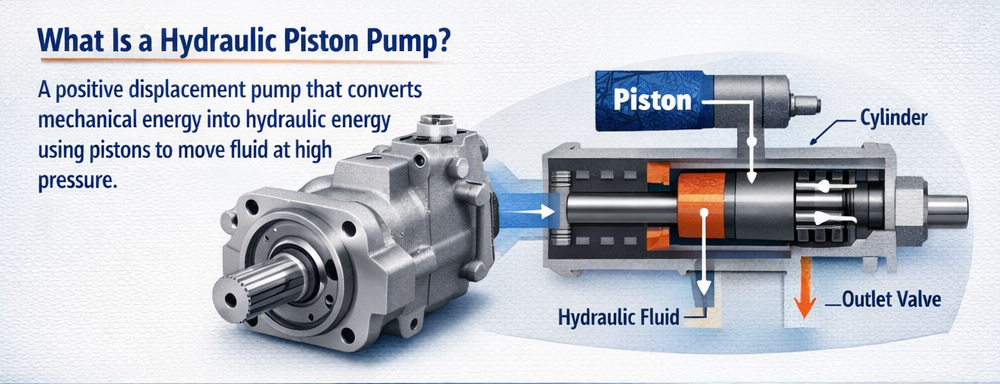
A hydraulic piston pump is a type of positive displacement pump that converts mechanical energy (from a motor or engine) into hydraulic energy — fluid flow under pressure. Instead of spinning gears or moving vanes, piston pumps use pistons that move back and forth in a cylinder block to force fluid into a hydraulic system.
The pump’s design allows it to produce high pressure, smooth flow, and precise control — making it ideal for demanding industrial and mobile applications.
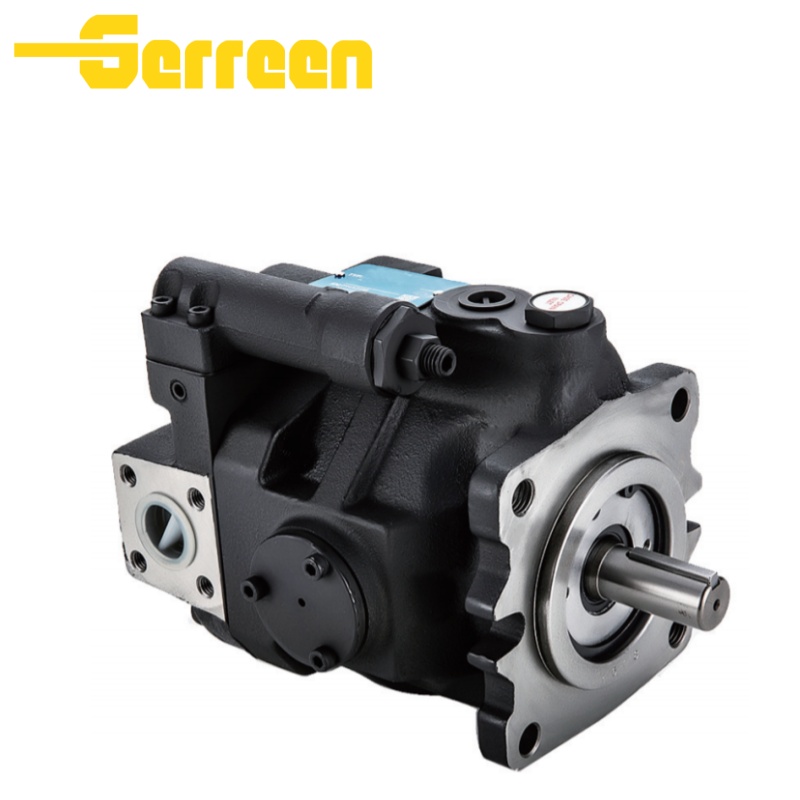
PV series Variable Volume Piston Pumps
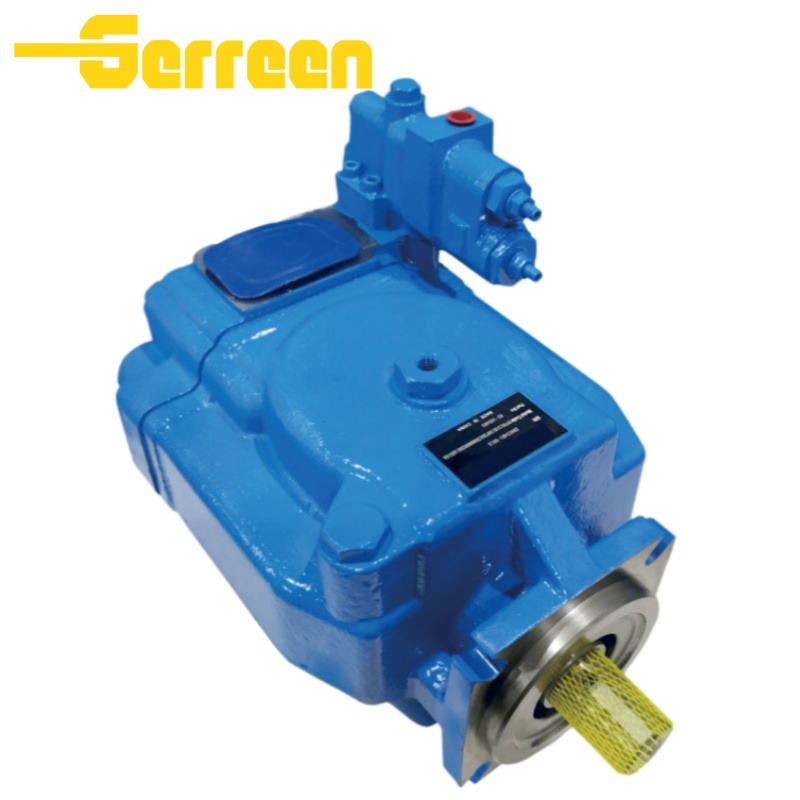
PVH Series Axial Piston Pumps PVH57 PVH74 PVH98 PVH131
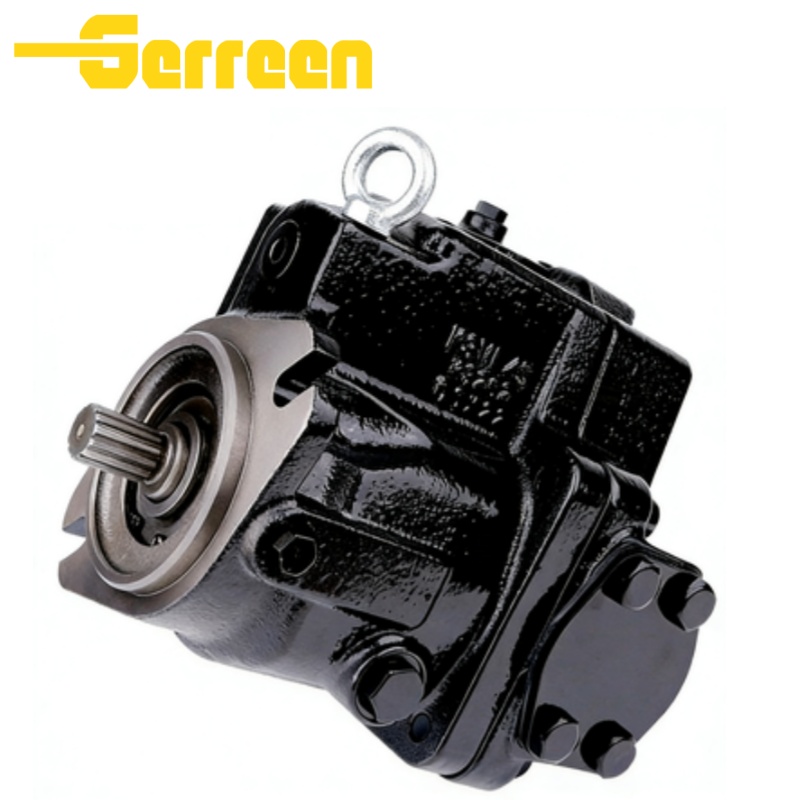
K3VL Series Servo Piston Hydraulic Pump
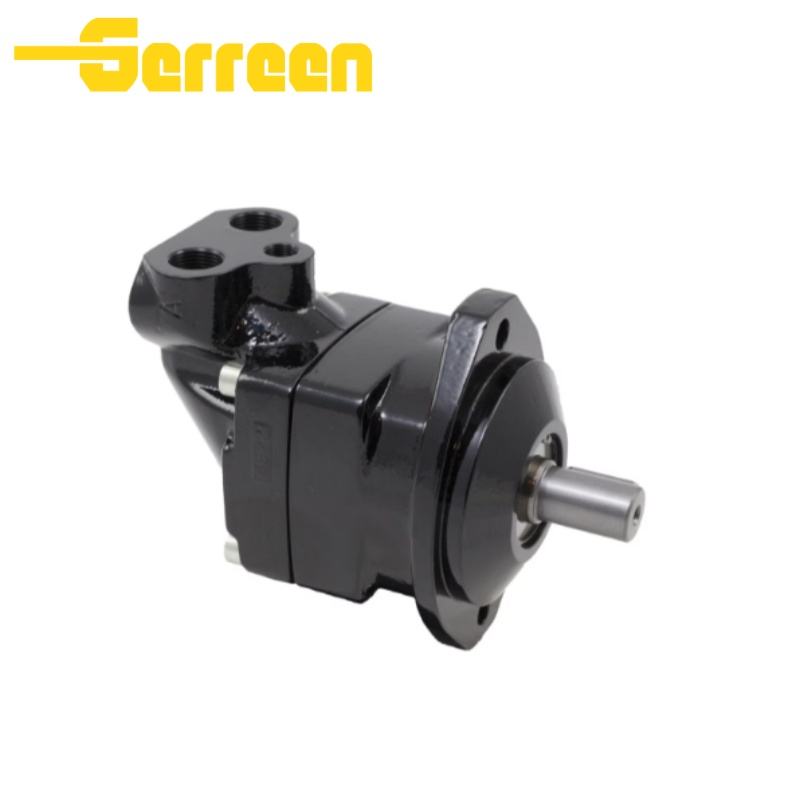
Parker F11 Bent Axis Piston Pump
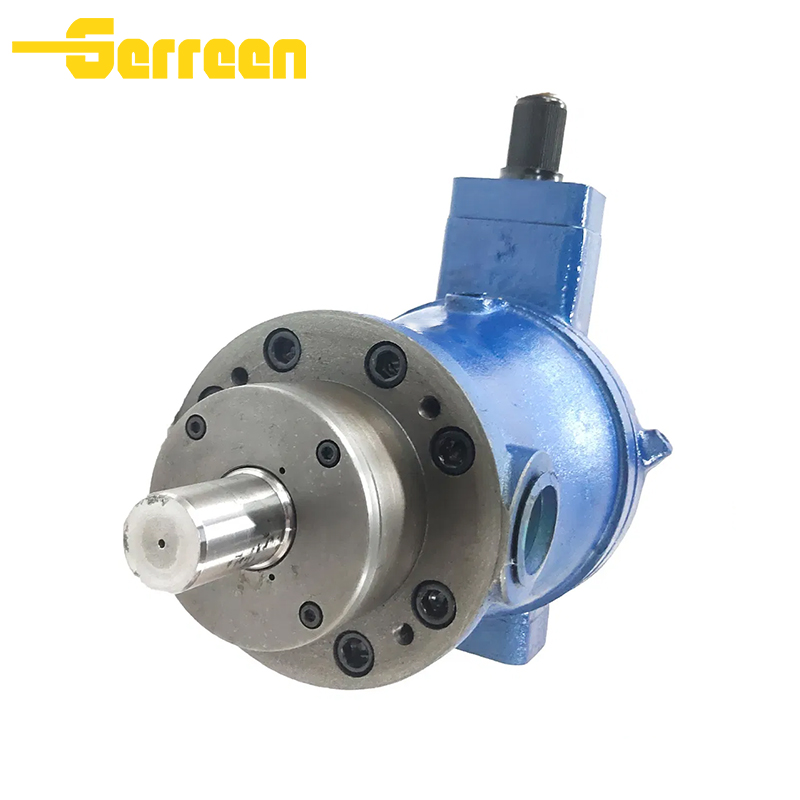
YCY Piston Pump
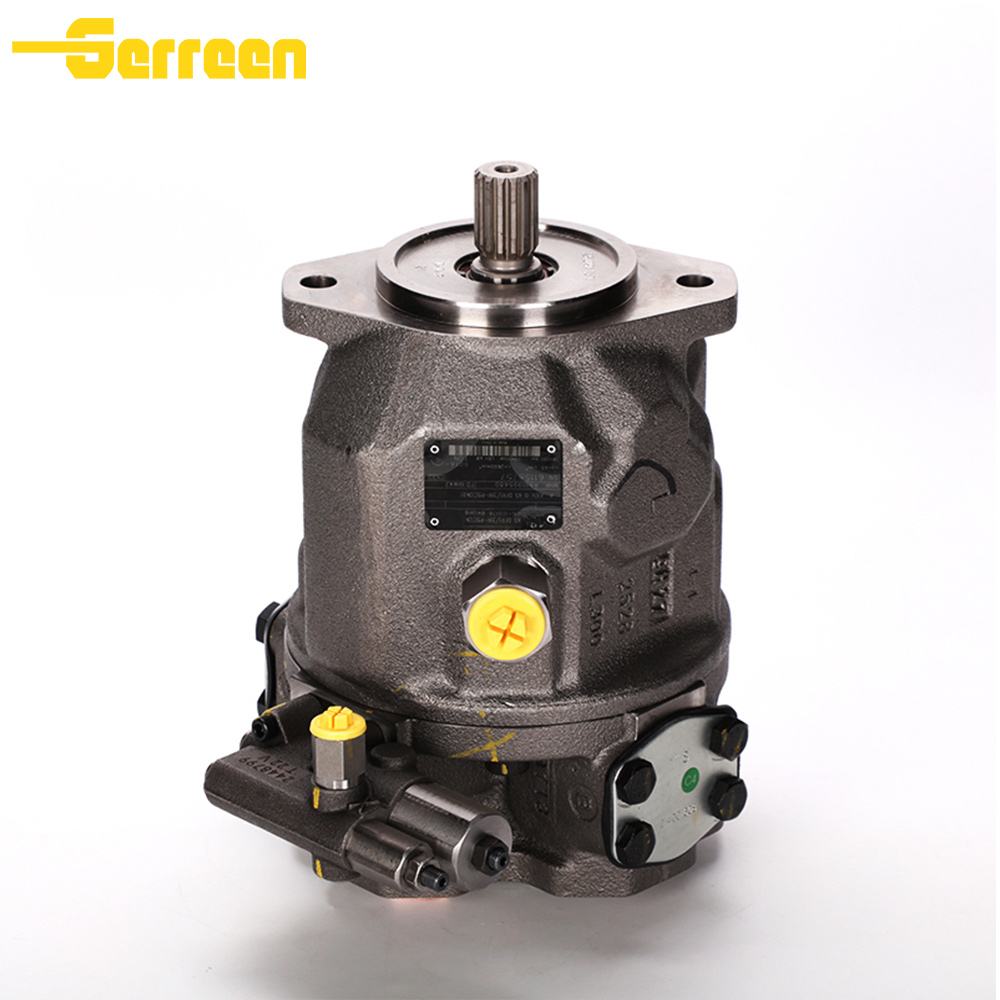
A10VSO Piston Pump
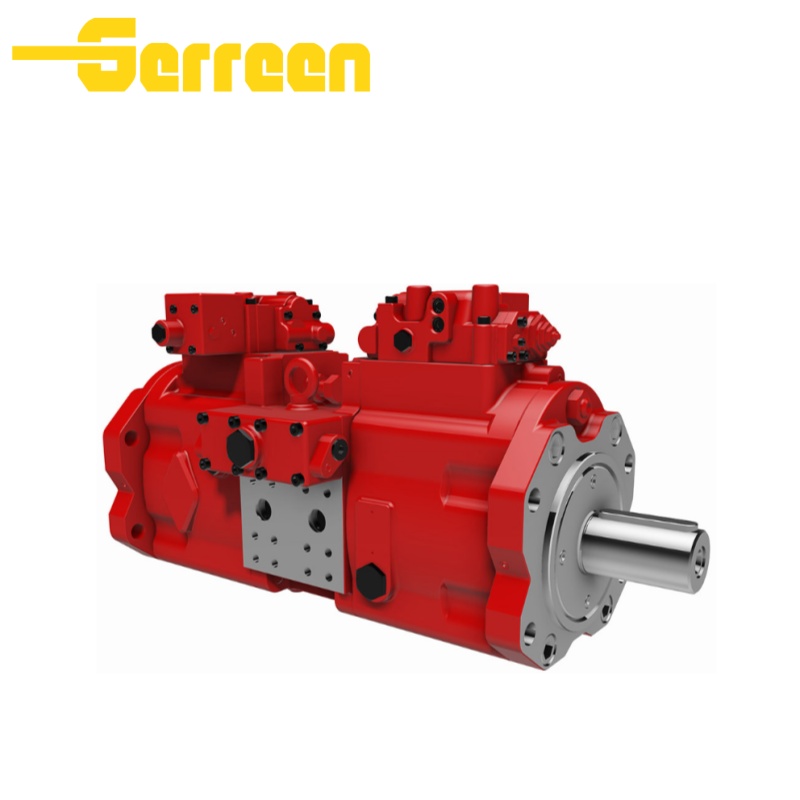
K3VG seriesHigh Pressure Axial Piston Pump
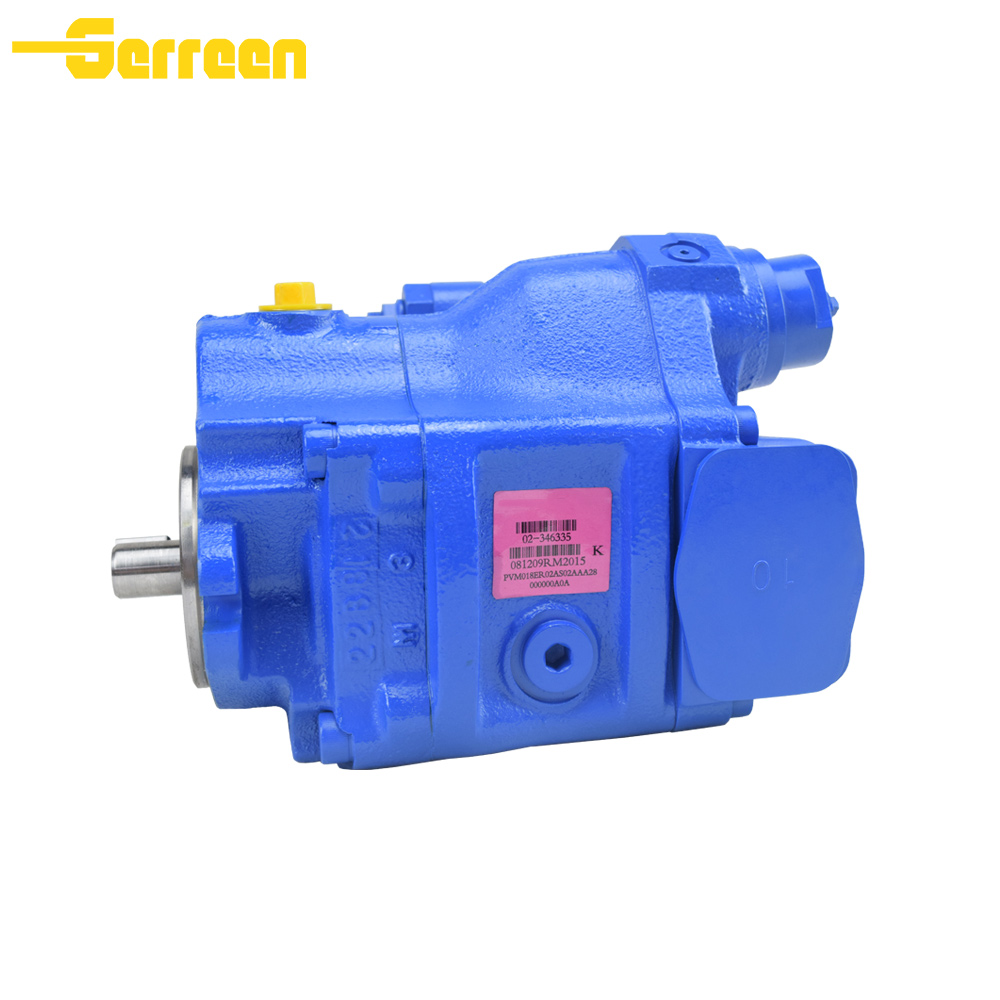
PVM Piston Pump
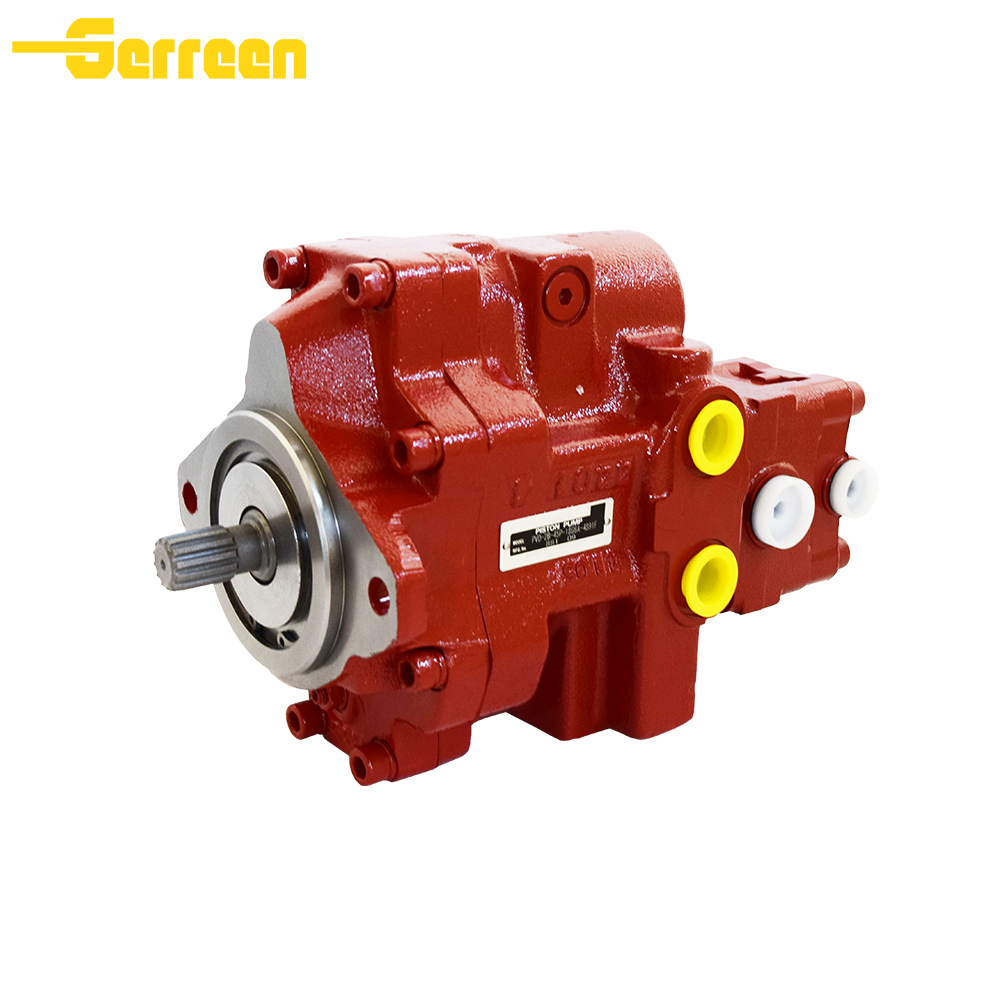
PVD Piston Pump
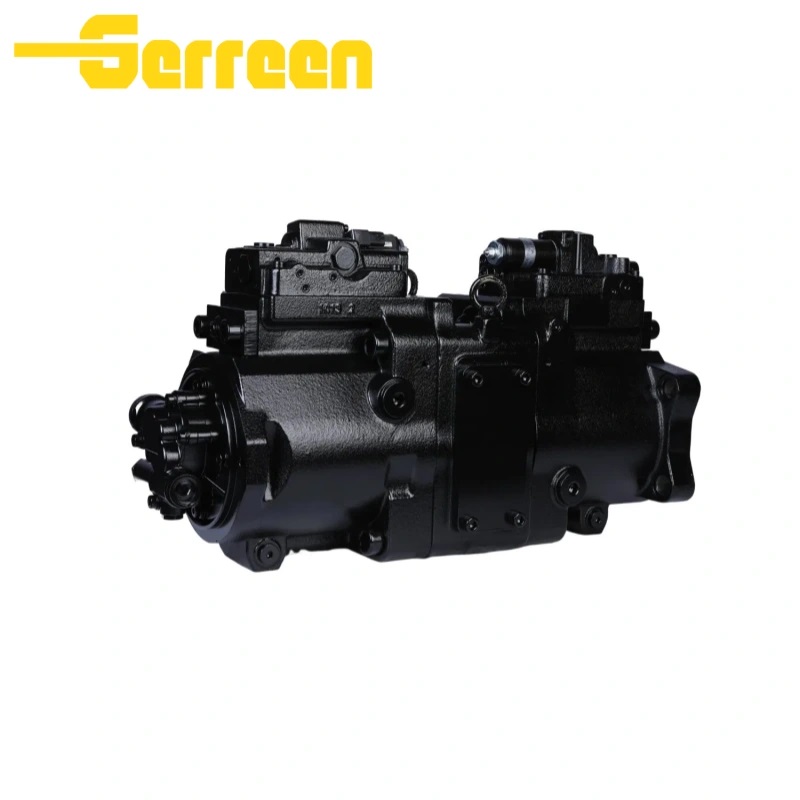
K7v125DTP Axial Piston Pump Hydraulic
Which piston pump should I choose?
Choosing the right piston pump isn’t about picking a “best” one universally—it depends heavily on what you’re using it for. The key factors are pressure, flow rate, fluid type, and duty cycle. Piston pumps can handle everything from low-pressure transfer to extremely high-pressure hydraulics
Best piston pumps by use case
Best overall (industrial hydraulic systems)
Rexroth A11VG19 Variable Axial Piston Pump
Variable displacement = efficient and adjustable output
Built for high pressure + continuous duty
Ideal for construction, heavy equipment, or hydraulic systems
Choose this if you need precision + power + reliability
Best for heavy-duty high-flow applications
420 Mobile Piston Pump (4.88 cu in/rev)
Robust high-flow hydraulic piston pump designed for mobile and industrial equipment.
High flow + high pressure capability
Suitable for mobile hydraulics and large machinery
Handles demanding workloads
Best when flow rate and ruggedness matter most
Best for agriculture / spraying
John Blue Cast Iron Piston Pump NGP-7055
Durable cast-iron piston pump widely used in agricultural spraying and fertilizer systems.
Choose for farming, spraying, or chemical transfer
Best budget / small systems
Hydraulic Piston Hand Pump with Valve
Compact manual piston pump for lifting, clamping, and low-volume hydraulic tasks.
Manual operation
Low cost
Good for small jobs
Choose for occasional or portable use
PRODUCT COMPARISON TABLE
| Attribute | Rexroth A11VG19 Variable Axial Piston Pump | 420 Mobile Piston Pump | John Blue NGP-7055 | Cosmostar Pneumatic Pump | Hydraulic Hand Pump |
| Type | Axial (variable) | Hydraulic piston | Agricultural piston | Pneumatic piston | Manual piston |
| Best use | Heavy machinery | Mobile hydraulics | Spraying/farming | Fluid transfer | Small jobs |
| Power source | Motor-driven | Engine/motor | PTO/motor | Air compressor | Manual |
| Pressure capability | Very high | High | Medium | Medium | Low–medium |
| Flow capacity | Medium–high | High | Medium | Low–medium | Low |
| Portability | Low | Medium | Medium | High | Very high |
How Hydraulic Piston Pumps Work
At the core of a piston pump is the reciprocating motion of multiple piston elements arranged around a drive shaft. As the shaft rotates, it drives each piston through a cam or swashplate mechanism.
Here’s how the process works step by step:
Intake Stroke:
As a piston retracts within its cylinder, it creates a vacuum that draws hydraulic fluid from the reservoir into the pump through the inlet valve.
Compression & Discharge:
When the piston moves forward, it compresses the fluid and forces it out through the outlet valve into the hydraulic system.
Continuous Flow:
Because multiple pistons are phased around the housing, the pump delivers a near‑constant stream of pressurized fluid with less pulsation compared to single‑element pumps.
The result is a powerful, steady, and adjustable flow of hydraulic fluid — ideal for both steady loads and dynamic control.
Axial vs radial piston pump difference
he difference between axial piston pumps and radial piston pumps mainly comes down to how the pistons are arranged and how they move to generate pressure. Here’s a clear breakdown:
1.Piston Arrangement
Axial Piston Pump
Radial Piston Pump
2. Working Principle
Axial
Uses a swash plate or bent axis mechanism.
As the shaft rotates, pistons slide in and out due to the angled plate.
Radial
Uses an eccentric cam or rotor.
Rotation causes pistons to move radially, creating suction and discharge.
3. Pressure & Performance
Axial Piston Pump
Radial Piston Pump
4. Efficiency & Control
5. Typical Applications
Axial Piston Pumps
Radial Piston Pumps
| Feature | Axial Piston Pump | Radial Piston Pump |
| Piston direction | Parallel to shaft | Perpendicular to shaft |
| Pressure capability | High | Very high |
| Speed | High | Lower |
| Flow | Smooth, continuous | Precise, pulsation possible |
| Complexity | Moderate | More complex |
Types of Piston Pump Designs
Hydraulic piston pumps come in two major configurations:
Axial Piston Pumps
In this design, pistons are aligned parallel to the drive shaft, pushing fluid in line with the shaft’s rotation.
Key Features:
Often variable displacement
Smooth and efficient flow
Excellent for mobile and high‑pressure applications
Radial Piston Pumps
Here, pistons are arranged radially around the shaft, pushing fluid outward into the casing.
Key Features:
High torque and high pressure potential
Lower noise and vibration
Great choice for industrial heavy‑duty systems
Both designs can be matched to specific performance requirements — whether fixed output for simple systems or variable output for advanced control.
Best pump for excavator / press / injection machine
Choosing the best pump depends on the machine’s job (flow vs pressure vs control). Here’s a clear, industry-based answer for each:
1. Excavator → ✅ Axial piston pump (BEST)
✔ Why:
Needs high flow + variable speed + smooth control
Requires compact, high power density
Must respond quickly to operator input
Axial piston pumps are widely used in excavators and construction equipment because they provide high efficiency and adjustable flow (variable displacement)
Example:
Danfoss H1P axial piston pump
High-performance variable displacement pump used in mobile machinery like excavators.
Excavator = Axial piston pump (variable displacement)
2. Hydraulic Press → ✅ Radial piston pump (BEST)
✔ Why:
Needs very high pressure (extreme force)
Flow is less important than pressure
Requires rigidity and accuracy
Radial piston pumps are designed for very high pressure applications (often higher than axial) and are common in presses and heavy-duty forming.
Example:
Bosch Rexroth radial piston pump PR4 series
Industrial high-pressure radial piston pump suitable for hydraulic press systems.
Press = Radial piston pump (high pressure focus)
3. Injection Molding Machine → ✅ Axial piston pump (BEST)
✔ Why:
Needs precise flow + energy efficiency
Often uses servo-controlled variable pumps
Requires smooth, repeatable cycles
Axial piston pumps are ideal because they offer:
Fine control of flow & pressure
Energy savings in modern servo systems
Stable operation in continuous cycles
Example:
Vickers PVB29 axial piston pump
Precision-controlled axial piston pump commonly used in industrial machinery like injection molding.
Injection machine = Axial piston pump (precision + efficiency)
PRODUCT COMPARISON TABLE
| Application | Best Pump Type | Key Requirement | Typical Pressure | Flow Control | Example Product |
| Excavator | Danfoss H1P axial piston pump | Variable flow, fast response | High (350–500 bar) | Excellent | Mobile hydraulics |
| Press | Bosch Rexroth radial piston pump PR4 series | Extremely high pressure | Very high (500+ bar) | Moderate | Forming / pressing |
| Injection machine | Vickers PVB29 axial piston pump | Precision + energy efficiency | High | Excellent | Industrial automation |
Why Choose a Hydraulic Piston Pump?
Hydraulic piston pumps have several advantages over other hydraulic pump types:
High Pressure Performance
Piston pumps can handle much higher operating pressures than gear or vane pumps, often exceeding 3,000 psi and more.
Smooth, Precise Flow
With multiple pistons phasing together, flow pulsation is reduced — improving efficiency and stability.
Wide Operating Range
Whether your system requires low‑speed, high‑torque motion or high‑speed fluid delivery, piston pumps can be configured to meet these needs.
Variable Displacement Capability
Some piston pumps allow output flow to be adjusted on demand — increasing system control and energy efficiency.
Common Applications of Hydraulic Piston Pumps
Hydraulic piston pumps are widely used in industries that require powerful, high‑pressure fluid power:
Construction Machinery — excavators, loaders, cranes
Mobile Equipment — aerial lifts, compactors
Industrial Automation — presses, injection molding machines
Material Handling — forklifts, conveyors
Marine & Offshore Systems — winches, steering systems
Their high load capacity and durability make them a popular choice where performance and reliability are critical.
Piston Pump Maintenance Tips
To ensure long service life and stable performance:
Use clean hydraulic fluid with proper viscosity
Regularly change filters to remove contaminants
Check suction lines for air leakage (to prevent cavitation)
Inspect internal seals and components for wear
Monitor operating temperature to avoid overheating
Proper maintenance keeps your hydraulic system running efficiently and reduces costly downtime.


