Packaging & Delivery
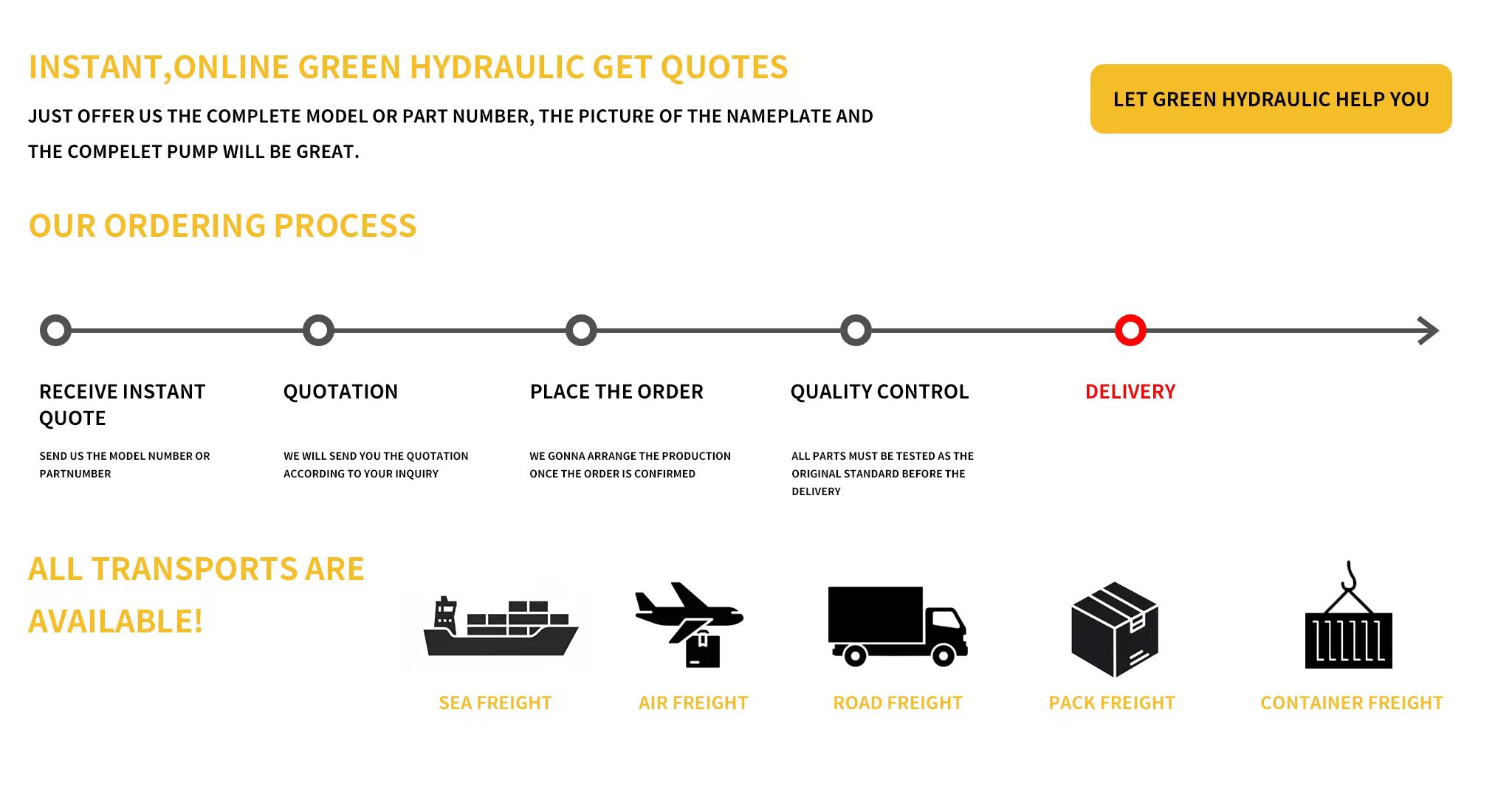
DR pressure valve are typically packaged securely to prevent damage during transit. The packaging includes:
Protective Wrapping: To safeguard the pump from environmental damage.
Custom Crates: For larger, heavier pumps, ensuring safe handling.
Documentation: Includes installation, maintenance instructions, and warranty details.
Delivery time depends on the model, customizations, and location but typically ranges from 2 to 6 weeks from the order date.
DR pressure valve FAQ:
1. What is the DR pressure valve ?
It is a pilot‑operated pressure reducing valve for hydraulic systems. It lowers high inlet pressure to a stable, adjustable secondary pressure for branch circuits. The valve is normally open at rest, allowing oil flow from inlet port B to outlet port A. It consists of a main spool assembly and a pilot pressure adjustment unit. Optional built‑in check valve permits free reverse flow from A to B. It adopts ISO standard subplate mounting for easy installation and replacement.
2. What makes the DR pressure valve ?
It adopts pilot‑operated structure for stable secondary pressure output.
It maintains steady outlet pressure even when inlet pressure or flow fluctuates.
Multiple pressure adjustment options are available for different operation demands.
Optional integrated check valve enables free reverse oil flow from port A to port B.
ISO standard subplate mounting supports quick installation and replacement.
Hardened main spool ensures low internal leakage and long service life.
Wide compatibility with various hydraulic fluids for diverse working conditions.
Compact layout suits limited‑space industrial and mobile hydraulic systems.
3. What is the working pressure range of DR pressure valve ?
The maximum inlet pressure at port B is 350 bar, the adjustable secondary pressure at port A ranges from 10‑350 bar with multiple optional pressure grades. The maximum back‑pressure at drain port Y is 350 bar for the version without check valve and 315 bar for the version with integrated check valve. The actual set pressure should be lower than the inlet pressure to guarantee normal pressure‑reducing performance.
4. Can DR pressure valve replace other brands?
It can serve as an alternative to other brand‑name pressure reducing valves under ISO standard mounting dimensions, you need to check key parameters including working pressure range, flow capacity, pressure grade and whether the built‑in check valve is required before replacement, and customized solutions are available for special system requirements.
5. What is the Response / Switching frequency of DR pressure valve ?
As a pilot‑operated pressure reducing valve, it features pressure‑regulating response time around 100‑300 ms, and it is not designed for high‑frequency cyclic switching. Its actual response performance is affected by system flow, oil viscosity and pipeline conditions, and it is mainly applied for steady‑state pressure regulation rather than frequent switching operations.
6. Do you provide OEM or customized services?
Yes, we support OEM and customized services. We can customize pressure grades, seal materials, adjustment forms and port configurations according to your technical requirements. Please offer your detailed specifications or drawings for accurate quotation.
7. How can I get a quotation quickly
Please provide the following details:
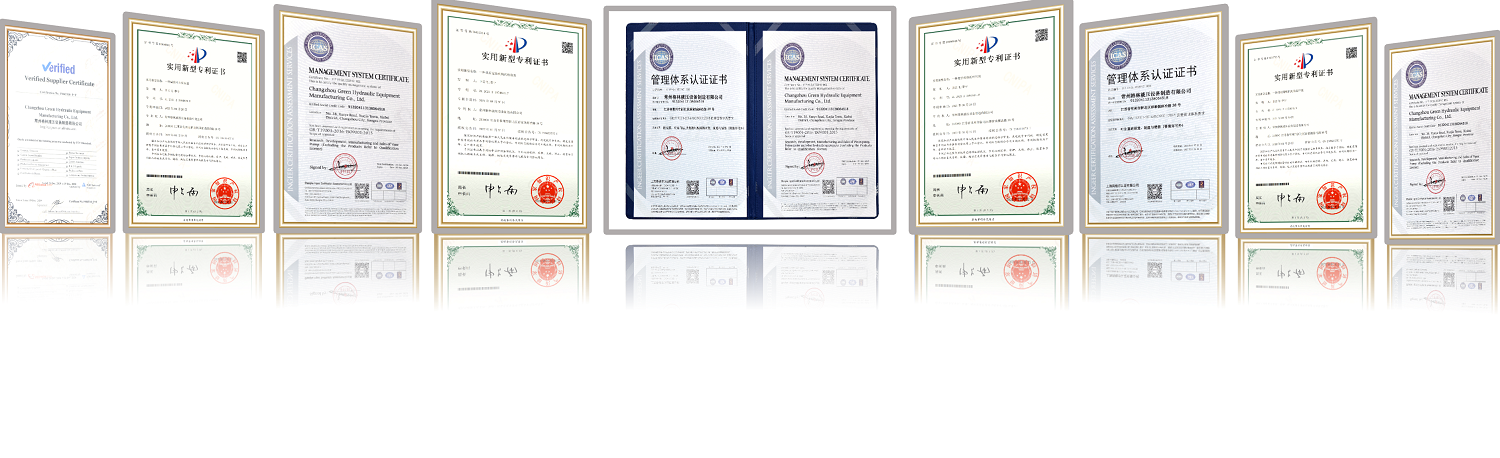
Certifications & Quality Assurance
DR pressure valve are manufactured in compliance with international standards, ensuring high performance and reliability:
ISO 9001: Certified for quality management systems.
CE Certification: Ensures compliance with European safety, health, and environmental protection standards.
RoHS Compliance: Ensures the pump does not contain hazardous materials.
Factory Testing: Every pump is rigorously tested for performance, pressure, and leak integrity before shipping.
FAQ
1.What's our advantages?
Factory established in 2005;
With a great deal of production experience;
80+ employees become the professional team;
Constant updated ERP system ensure efficiency of work;
Sophisticated equipment ehanced the accuracy of products;
Professional salesmen provide the greast service;
With a large number of famous customers all over the world;
Great after-sales service;
With the long term cooperation with famous logistics and express company in China,provide the better goods service.
2.What is your payment terms?
Small order/sample order,full payment in advance; Big orders send the first payment 30% before the production,and the balance before shippment.We'll show the photos of the products and packages before delivery.
3.Can you make my own brand on the products?
Of course we can. Just send me your logo we can make it for you.
4.What is our main export market?
America(40.5%):USA, Canada, Argentina, Brazil
Europe(30.8%):Italy,Germany,England,Holland,Spain,Swiss,Finland,Russia,Poland.
Asia(23.5%):Korea,singapore,India,Turkey,Vietnam,Saudi Arabia,Syria, Israel,Lebanon.
Others(5.8%).
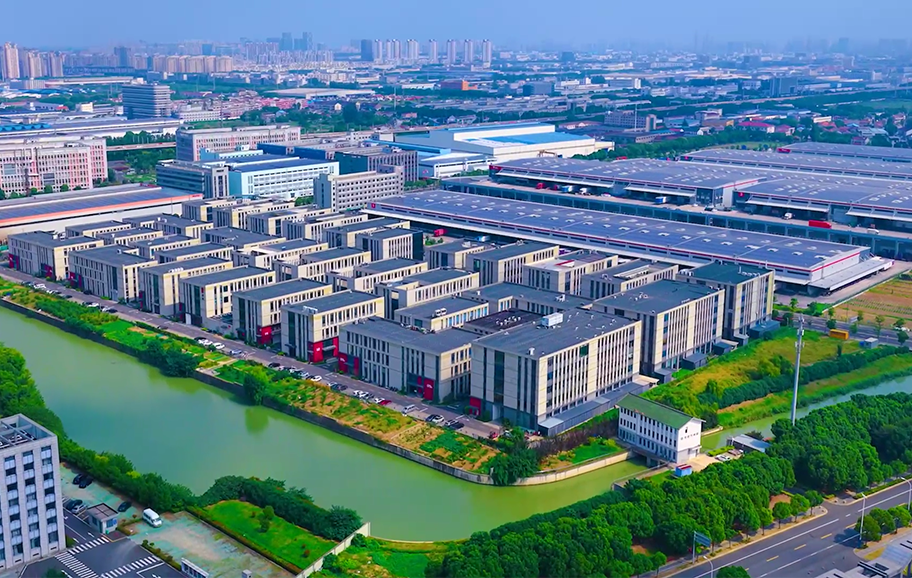
The Green hydraulic pump manufacturing facility is a specialized industrial plant that focuses on producing hydraulic pumps and related components. These factories are equipped with advanced machinery and technology to fabricate high-quality pumps designed for a wide range of applications, from heavy equipment and machinery to automotive and industrial systems.
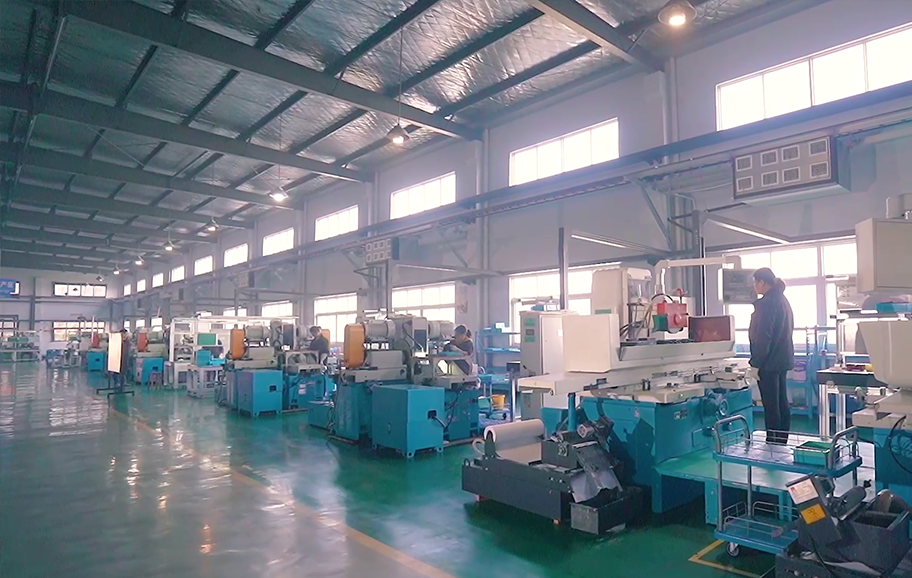
The production process typically involves precision engineering, where raw materials like metals and alloys are processed into pump components such as gears, pistons, cylinders, and seals. These parts are then assembled into fully functional hydraulic pumps, which are tested for performance and quality control to ensure reliability, efficiency, and durability under various working conditions.
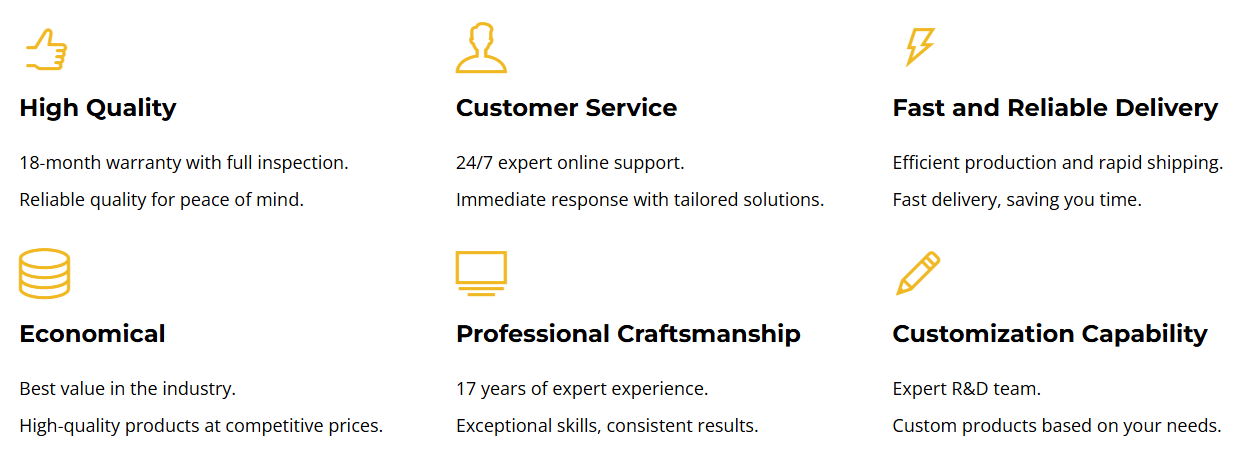


 The Green hydraulic pump manufacturing facility is a specialized industrial plant that focuses on producing hydraulic pumps and related components. These factories are equipped with advanced machinery and technology to fabricate high-quality pumps designed for a wide range of applications, from heavy equipment and machinery to automotive and industrial systems.
  The production process typically involves precision engineering, where raw materials like metals and alloys are processed into pump components such as gears, pistons, cylinders, and seals. These parts are then assembled into fully functional hydraulic pumps, which are tested for performance and quality control to ensure reliability, efficiency, and durability under various working conditions.


